4,000+
Archive Hours
3
Language Schools
60+
Supported Artists
₦30M+
Culture Investment
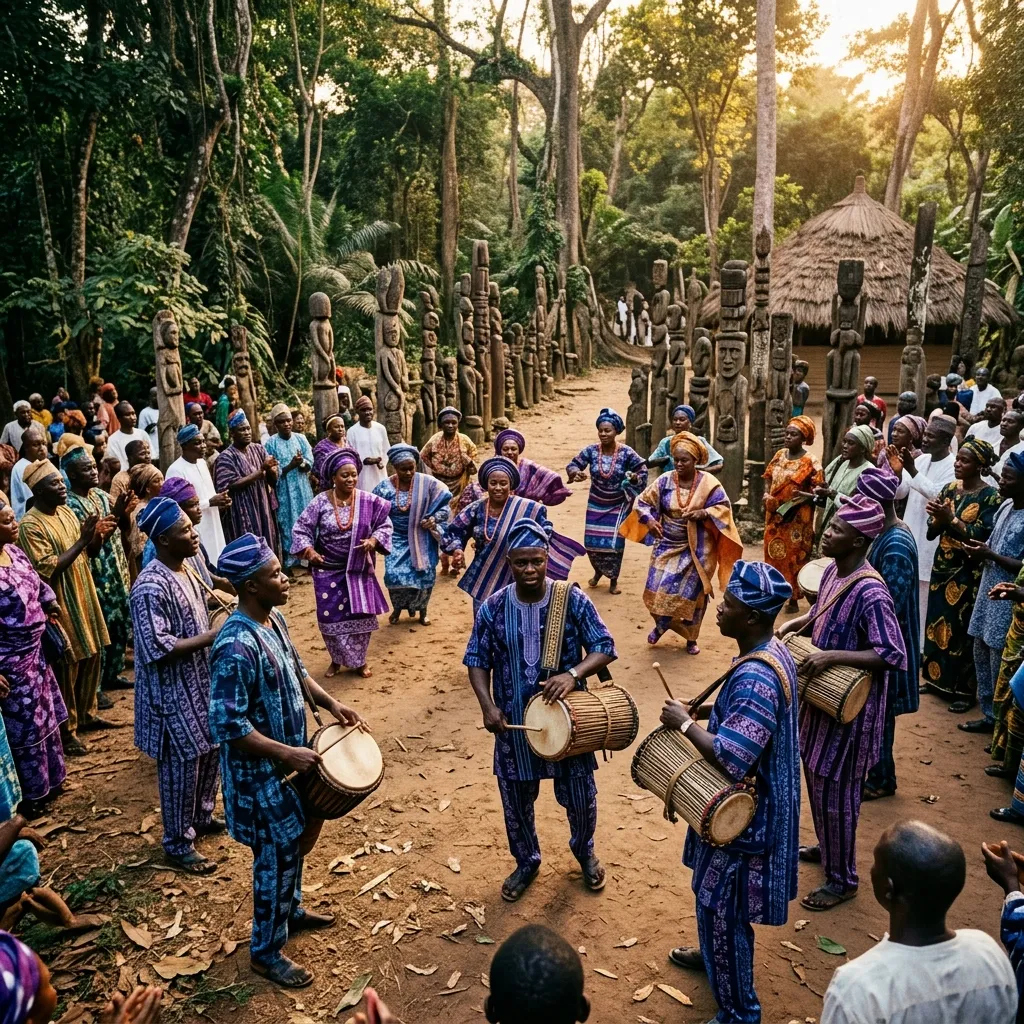
Digital archiving, language revitalisation, and arts programs safeguarding Yorùbá civilisation for future generations.
4,000+
Archive Hours
3
Language Schools
60+
Supported Artists
₦30M+
Culture Investment
Ẹ̀yà — identity — is the thread that runs through every dimension of Yorùbá life. Without it, prosperity and education become rootless. The Cultural Preservation pillar ensures that no matter how fast the world changes, Yorùbá people remain anchored to who they are.
From digitising oral traditions to funding artists and running language schools, we are building the cultural infrastructure of a living civilisation — not a museum piece.
"Àṣà ni ìdí orí — Culture is the root of identity."
— Yorùbá proverb
A people without culture are a people without a future. Ìdérà's cultural pillar is an act of civilisational self-defence — ensuring the Yorùbá story continues to be told in Yorùbá's own voice.
A digital archive of proverbs, music, folklore, and oral histories — preserving 4,000+ hours of Yorùbá cultural heritage for future generations.
Community language schools running Yorùbá literacy programmes in Lagos, Ibadan, and Abuja — reversing language erosion among urban youth.
Grants and exhibition support for visual artists, sculptors, weavers, and cultural performers keeping traditional Yorùbá art forms alive.
Sponsoring and organising annual Yorùbá cultural festivals that celebrate music, food, fashion, and oral tradition across the region.
Your support funds language schools, oral archives, and the artists keeping Yorùbá traditions vibrant for generations to come.